How to Store Spices at Home: 5 Common Mistakes That Ruin Your Masale
Home/Blog/How to Store Spices at Home: 5 Common Mistakes That Ruin Your Masale
Jun 6, 2026 ·
11 min read
We all love buying premium, aromatic spices to get that perfect restaurant-style flavor in our home-cooked meals. However, have you ever noticed that within a few weeks of purchasing your turmeric, chilli, or coriander powder, their vibrant aroma and authentic taste completely vanish? The rich aroma that fills the room when you open a fresh pack of masale suddenly disappears, leaving behind a dull, sawdust-like powder. If you are struggling with this issue, learning how to store spices at home the correct way is the first step to preserving your ingredients.
Most people think old spices naturally lose flavor over time, but the truth is your daily storage habits are ruining them prematurely. Light, heat, oxygen, and moisture are the absolute biggest enemies of any kitchen masala. According to the guidelines set by the Spices Board of India, maintaining the post-harvest quality of spices through proper handling and storage is critical to retaining their essential volatile oils.
If you want that intense aroma and authentic punch in your food, you need to change your preservation methods. Understanding the core principles of how to store spices at home will not only save you money but also elevate your daily culinary skills. In this comprehensive 1500+ words guide on how to store spices at home, we’ll uncover 5 common mistakes you are making in your kitchen and share essential, actionable spice storage tips to keep spices fresh for months.
Table of Contents
Why Do Spices Lose Their Flavor and Aroma?
Before fixing the problem, let’s understand the science behind spice degradation. Spices derive their unique taste, pungent heat, and distinct aroma from volatile organic compounds and essential oils trapped inside their cellular structures. For instance, the active compound in turmeric is curcumin, in black pepper it’s piperine, and in red chillies, it’s capsaicin.
When ground spices are exposed to environmental factors like high temperatures, open air, moisture, or direct ultraviolet (UV) light, these delicate oils begin to break down and evaporate. This destructive process is called oxidation and degradation. Master chefs always emphasize the importance of how to store spices at home because once these oils are gone, the spice completely loses its chemical potency, dynamic flavor, and nutritional benefits.
To prevent this quality drop, strict regulations regarding moisture levels and food safety packaging are enforced by authorities like the FSSAI (Food Safety and Standards Authority of India). At home, however, the responsibility to protect these culinary assets falls completely on your storage choices and knowing how to store spices at home.
5 Critical Spice Storage Mistakes You Are Making
Let’s dissect the five most common blunders made in everyday households and how you can rectify them using scientific yet practical rules on how to store spices at home.
1. Storing Spices in Clear Glass Jars Under Direct Sunlight
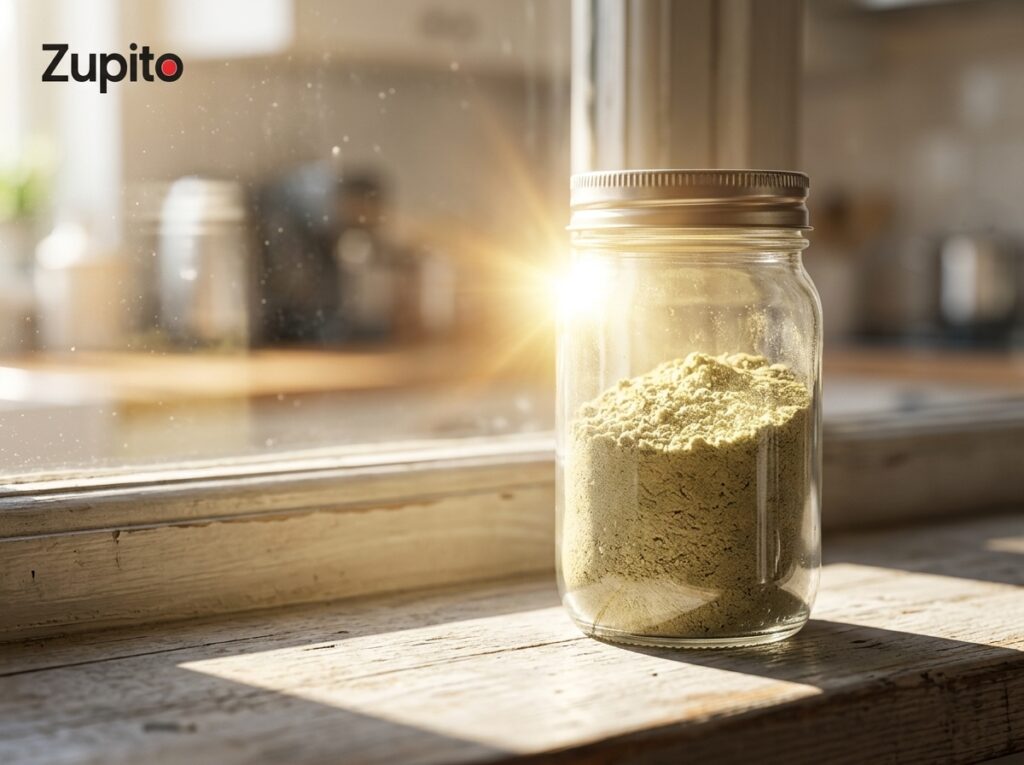
To achieve a modern, aesthetic modular kitchen look, we often store our vibrant spices in beautiful transparent glass jars or clear acrylic containers. Placing them on open countertops or floating shelves looks stunning visually, but practically, this is a major disaster when considering how to store spices at home.
Direct sunlight and bright overhead kitchen lights accelerate the destruction of the volatile oils and natural pigments inside your spices. This process is scientifically known as photodegradation. It causes the vivid colors of the spices to fade out and strips away their original heat and essential aroma. If you want to know how to store spices at home to shield them from light, you must stop using open, sunlit display shelves.
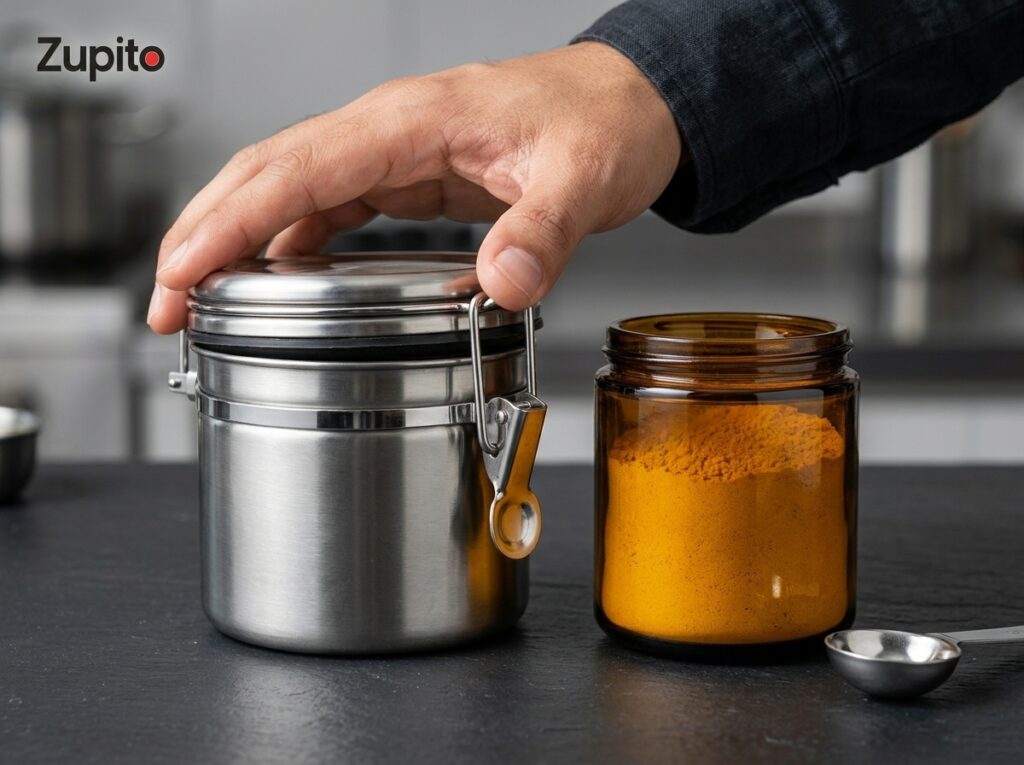
The Practical Fix: The best way for how to store spices at home without light damage is to transition to opaque containers, heavy-duty stainless steel jars, or dark amber-colored glass bottles. If your current ground spices have already faded under the sun, replenish your kitchen pantry with our fresh, vibrant, and light-protected packs of premium Zupito Turmeric Powder and aromatic Zupito Coriander Powder to bring back that rich color.
Spice Color Hack: If your spices have faded due to sunlight, your gravies will lose that rich restaurant look. If you want to fix your gravy aesthetics, check out our secret guide on How to Make Curry Orange Color Naturally using the right spice balances!
2. Keeping Your Spice Box Right Next to the Cooking Stove
For the sake of convenience and quick access while cooking, most people set up their traditional spice box (Masala Dani) or modern spice rack right next to the gas stove, oven, or induction cooktop. While this offers excellent accessibility, it violates the basic rules of how to store spices at home due to continuous heat exposure.
When the gas stove is running, it constantly radiates heat, significantly raising the internal wall temperature of your nearby spice jars. This heat breaks down the core flavor elements of your spices. Anyone who teaches how to store spices at home will tell you that a constant warm environment forces natural essential oils to sweat out and evaporate, leaving the spices tasting like cardboard.
The Practical Fix: To perfectly execute how to store spices at home, maintain a safe distance from all heat sources. Store your daily-use masale inside a cool, dry, and isolated cabinet at least 2 to 3 feet away from your stove, oven, or microwave. Take out only the required amount of spice during cooking and immediately return the container to its cool storage spot.
3. Shaking Spice Jars Directly Over a Steaming Pot
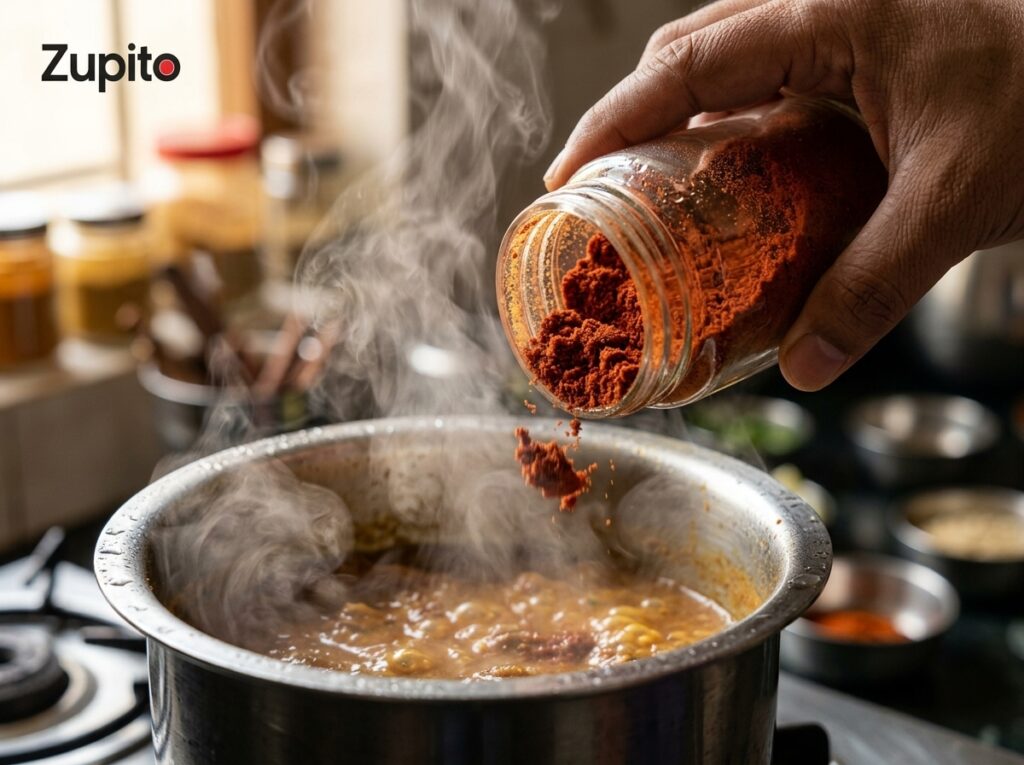
We have all taken this shortcut at some point—while a curry or dal is bubbling away on the stove, we quickly grab the main spice jar and shake it directly over the steaming pot. When analyzing how to store spices at home, this single habit is considered the most destructive for shelf-life.
When you tilt an open jar directly over a hot, boiling wok, vaporized moisture (white hot steam) rushes inside the container due to pressure differences. If you are learning how to store spices at home, you must avoid this because moisture causes fine powder spices to clump up rapidly. This trapped moisture creates a perfect breeding ground for micro-organisms inside the jar, causing the spices to spoil and inviting toxic mold, webbings, or fungus.
The Practical Fix: An essential step in how to store spices at home is strict moisture control. Never shake spice jars directly over steam. Moisture creates clumps and kills the punch of premium chillies instantly. Experience the authentic, sharp, and fiery texture of moisture-free Zupito Mathania Red Chilli Powder by handling it only with clean, dry spoons.
4. Storing Bulk Spices Without Proper Airtight Seals
Many times, we buy whole spices or ground powders in bulk quantities from wholesale markets or premium brands, but leave them loosely closed in their original plastic packaging with a simple rubber band. This completely undermines all principles of how to store spices at home.
Constant exposure to ambient oxygen leads to rapid oxidation of organic substances. When implementing how to store spices at home, air exclusion is absolutely critical because oxygen dries out the aromatic notes. This shortens the shelf-life of your spices from several months to just a couple of weeks.
The Practical Fix: The most effective method for bulk preservation is to adopt a ‘Two-Container System’. This is the ultimate hack on how to store spices at home in large quantities. Transfer a small quantity into your daily spice box and seal the rest. If you want a complete kitchen setup with the exact right quantities of pure essentials, check out our value packs like the Zupito Premium Combo Packs to get your Haldi, Dhaniya, and Mathania Chilli perfectly sorted.
5. Refrigerating Spices Improperly to Keep Them Fresh
People often assume that placing food items inside the refrigerator or freezer will preserve their freshness forever, so they put their red chilli flakes, premium garam masala, and dry chutneys inside the fridge door. When it comes to how to store spices at home, routine refrigeration of everyday spices is a terrible idea.
The core issue is not the cold temperature itself, but the phenomenon of ‘condensation’. When learning how to store spices at home, you must understand temperature shifts. When you repeatedly move a chilled spice jar out into the warm, humid room temperature of a kitchen, moisture micro-droplets form inside the walls of the jar. This dampness makes the spices sticky and dilutes their flavor profile.
The Practical Fix: The definitive guide on how to store spices at home suggests using the freezer only for rare whole spices (like poppy seeds or exotic herbs) that you want to preserve for over 6 months. Keep your normal daily-use spices at room temperature inside a dry, closed cabinet.
Purity Check: Wrong storage mimics the signs of adulterated spices. To make sure your masale are genuinely organic and not just ruined by moisture, read our expert checklist on How to Check Pure Spices at Home with simple kitchen tests.
Pro Spice Storage Tips to Keep Spices Fresh For Years
If you want your kitchen spices to maintain their original organic profile, vibrant color, and punchy aroma for a long time, make sure to follow these advanced checklists:
The Golden Rule: Buy Whole, Grind Small: When master chefs explain how to store spices at home, they always advise buying whole cumin, whole coriander, or black peppercorns. Whole spices have their protective cellular structures intact, which makes their natural shelf life more than double that of pre-ground powders.
Inspect Your Containers Regularly: Always use high-quality containers featuring gasket-sealed latches. To check if your jar is truly airtight, fill it with water, close it tight, and turn it upside down. If it leaks water, it will leak air and ruin your spices.
Keep Away From the Dishwasher: After washing your spice jars, do not use them until they are completely sun-dried. Knowing how to store spices at home includes keeping your equipment bone-dry.
Frequently Asked Questions (FAQs)
Q1. What is the average shelf life of ground spices versus whole spices?
Ans: When stored correctly, whole spices (like cinnamon, cloves, and black peppercorns) can stay perfectly fresh for 2 to 4 years. On the other hand, ground powder spices (like turmeric, coriander, and chilli powder) begin to lose their optimal potency and strong aroma within 6 to 12 months due to a higher surface area exposed to air. Mastering how to store spices at home helps stretch this timeline to its absolute maximum.
Q2. How can I tell if my kitchen spices have gone bad and need to be replaced?
Ans: The easiest method is the “Sniff and Rub Test”. Rub a small pinch of the spice powder between your palm and thumb, then smell it. If the aroma is extremely faint, smells dusty, or lacks its signature pungent punch, it means the volatile oils have evaporated. Learning how to store spices at home prevents this premature loss of flavor.
Q3. Can I use plastic containers to store my spices safely?
Ans: While food-grade plastic containers can be used for temporary storage, they are not as effective as stainless steel or glass jars when analyzing how to store spices at home with premium results. Low-quality plastic can cause chemical leaching and allows light damage to occur much faster. Additionally, plastic tends to absorb strong spice oils, making them difficult to clean.
Conclusion
The authentic taste of your home-cooked meals does not depend on the quantity of spices you throw into the pot, but on the purity and freshness of those ingredients. Knowing how to store spices at home is a fundamental skill for anyone who wants to preserve the culinary integrity of their food. By avoiding these common storage mistakes and incorporating these professional spice storage tips, you can easily double both the shelf-life and the aromatic punch of your masale.
Pure, chemical-free, and perfectly crafted ingredients deserve premium care. For rich, authentic, and raw culinary experiences, explore our premium range at Zupito Masale. Keep cooking the pure way, keep cooking the right way!

Leave a Reply