
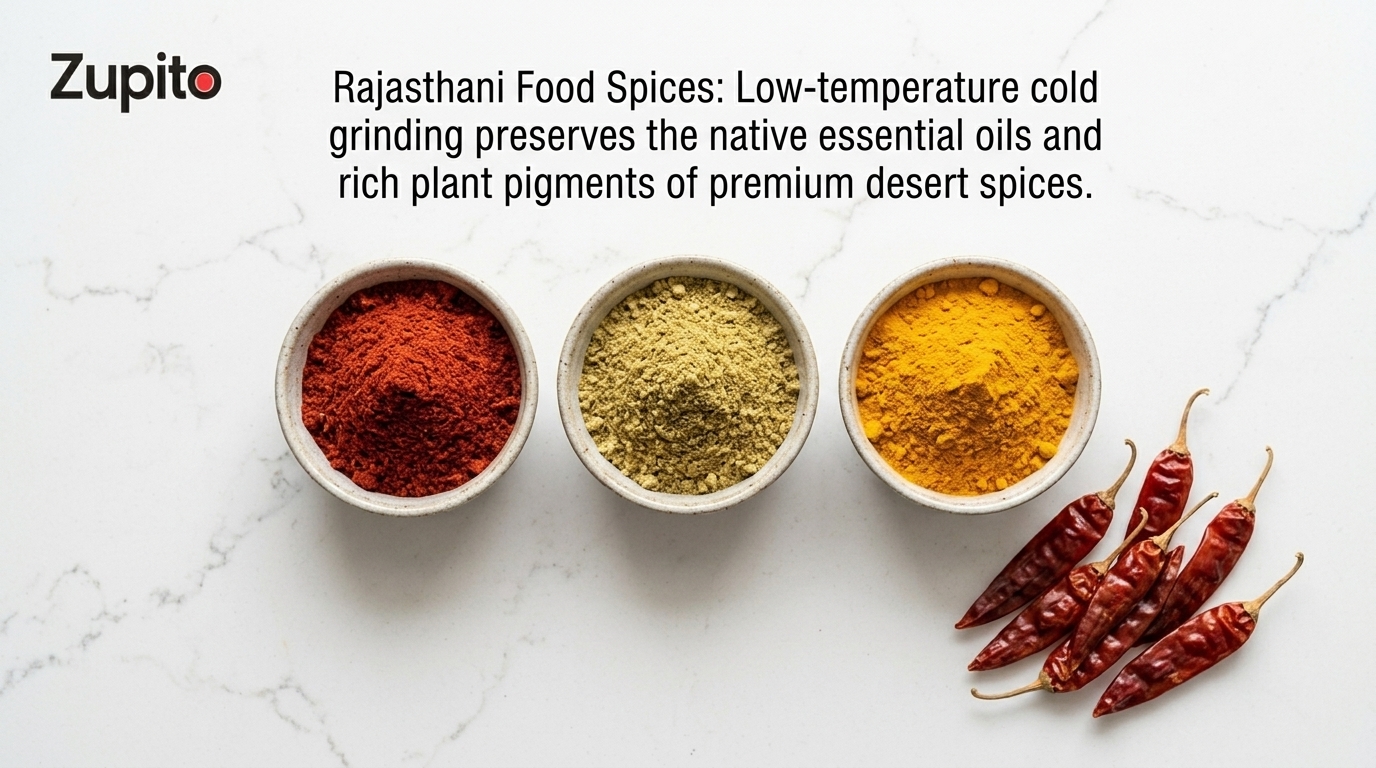
The harsh, arid terrains of India’s western desert have systematically shaped one of the most resilient, structurally complex, and vibrant culinary heritages in the world.
Modern desert cuisine India thrives on a brilliant operational paradox: where water is scarce and fresh green vegetables are historically non-existent, intense, multi-layered culinary flavor is infinitely abundant.
For centuries, nomadic tribes, local warriors, and royal kingdoms across the deep Thar desert relied heavily on premium Rajasthani food spices to naturally preserve food materials, build baseline metabolic immunity, and beat the intense, unforgiving thermal climate of the subcontinent.
When you taste a truly authentic regional dish, you are not merely consuming a basic daily meal; you are actively experiencing a historic masterclass in culinary survival, biological adaptation, and royal indulgence.
The distinct, commanding boldness that defines this food does not come from reckless, burning heat, but from the highly strategic deployment of premium Rajasthani food spices.
According to global public nutritional dietary frameworks monitored by international health bodies like the World Health Organization (WHO), utilizing native, unadulterated plant matrices is an excellent, scientifically proven way to introduce natural antioxidants and protective bio-compounds into human dietary systems.
These unpolished elements create a deep, slow-burning complexity that completely defines the region’s signature identity.
By learning how these unique ground ingredients interact with local cooking fats, any home chef can transform standard dinners into majestic, aromatic feasts.
To unlock this culinary secret, we must first break down the underlying environmental factors and structural processing metrics that make these authentic culinary profiles possible through pure Rajasthani food spices.
Table of Contents
The Secret Behind Desert Cuisine India: Ghee, Yogurt, and Buttermilk Emulsions
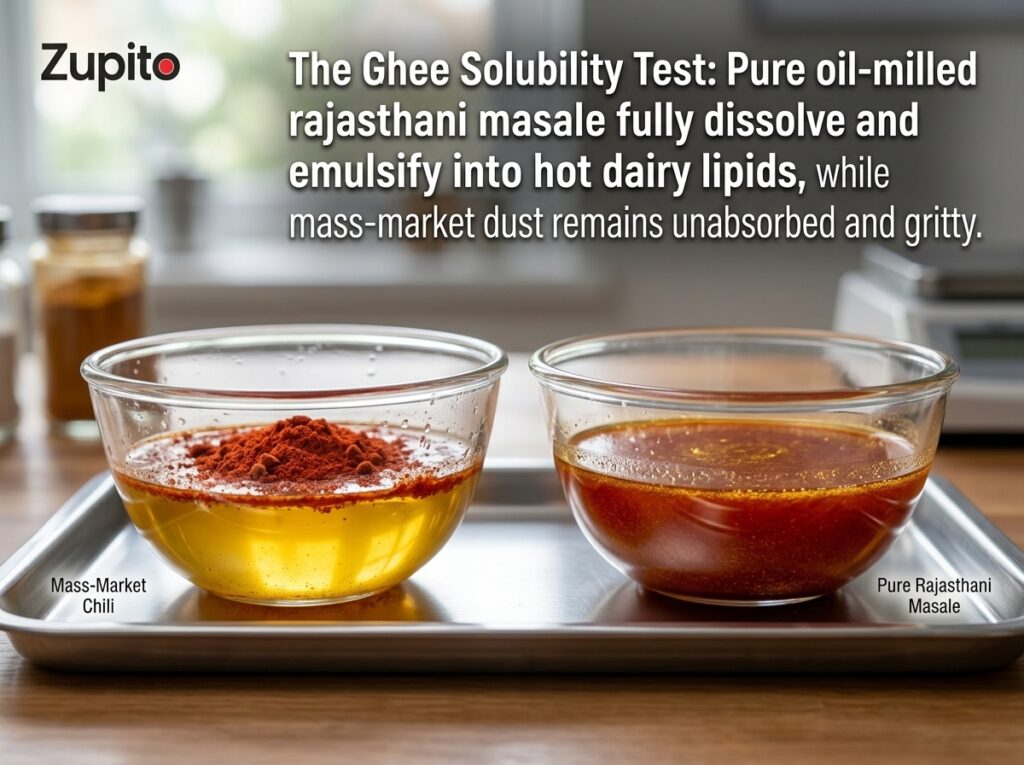
Traditional cooking across the Thar desert completely bypasses the standard modern kitchen need for fresh, water-heavy bases like tomatoes, ginger pastes, or excessive raw onions.
In an environment where water resources were historically guarded like liquid gold, local home cooks and royal palace chefs had to innovate creative alternatives to build rich curry bases using specific Rajasthani food spices.
Instead of water, the region relies on thick organic yogurt, fresh cultured buttermilk, and pure lipid bases like organic cow ghee to form the foundational gravy emulsions for every single meal.
However, cooking with such heavy dairy fats presents a major culinary challenge: raw fats can easily overwhelm the human palate and cause digestive sluggishness if not properly balanced by strong botanical elements.
To successfully balance these rich, heavy animal fats and dairy lipids, the native community unlocked the true molecular power of high-potency rajasthani masale.
Raw, high-essential-oil ground components are introduced directly into the bubbling hot fats at the very beginning of the preparation cycle.
This allows the oil-soluble flavor compounds and volatile terpenes inside these premium Rajasthani food spices to fully detach from the plant cell walls and dissolve into the ghee matrix.
This unique biochemical process cuts straight through the heavy richness of native dairy, creating a sharp, robust, and lingering finish on the palate that can only be unlocked by real Rajasthani food spices.
Without the deliberate addition of these raw, uncompromised Rajasthani food spices, heavy local staples like Dal Baati Churma, Ker Sangri, or Gatte ki Sabzi would completely lose their characteristic depth and become structurally unpalatable.
The Holy Trinity of Rajasthani Masale
To replicate the authentic, deeply satisfying culinary profile of the desert inside your own kitchen space, you must look past mass-produced corporate grocery options and master the three core botanical drivers behind its unique heat, color, and aroma.
These specific elements form the base of all high-quality Rajasthani food spices used across home kitchens and royal heritage hotels alike:
1. High-Pigment Mathania Lal Mirch
Sourced directly from the sun-drenched, mineral-rich fields surrounding the Jodhpur region, this legendary red pepper provides a brilliant, deep crimson color to local curries without pushing the human digestive tract into a toxic or uncomfortable heat zone.
The natural capsaicin profile of this chili is perfectly balanced by high natural sugars that caramelize beautifully when exposed to hot ghee, highlighting the structural power of pure Rajasthani food spices.
This specific pepper is the undisputed king of all Rajasthani food spices, ensuring your gravies look intensely fiery while remaining smooth, sweet, and deeply flavorful.
When mass corporate brands try to replicate this look, they routinely fail because they strip out the natural oils during their aggressive high-heat factory milling lines, ruining the native identity of Rajasthani food spices.
To understand how low-temperature milling anchors natural raw plant pigments in these specialized peppers, you can check out the launch notes on our premium single-origin variant at Zupito Mathania Lal Mirch Powder.
2. Cold-Milled Dhaniya Powder
Native coriander seeds grown in the regional microclimates of western India contain an exceptionally high concentration of essential volatile oils, particularly linalool and geranylacetate.
These natural organic compounds bring a distinct woody, citrusy, and slightly floral undertone to thick, heavy stews powered by authentic Rajasthani food spices.
When ground correctly using temperature-controlled systems, these Rajasthani food spices serve a vital functional role: they act as natural cooling agents that soothe the stomach lining, balance the intense heat of red peppers, and help emulsify heavy yogurt-based sauces.
To see how internal cooling balances digestive profiles using pure Rajasthani food spices, check out our insights on the Zupito Pure Dhaniya Powder ecosystem.
3. Unpolished Amchur (Dry Mango Powder)
Since fresh green lemons and water-rich tomatoes were historically rare luxuries in the deep desert sands, pure tangy green mango dust became the primary acidifying agent used to introduce sharp sourness into rich curry bases.
This unpolished tart powder cuts through the dense fats of lamb meat and heavy chickpea flour dumplings while working seamlessly alongside native Rajasthani food spices.
It works in perfect harmony with other traditional Rajasthani food spices to brighten up dull earth tones and activate salivary glands, making the entire dining experience incredibly refreshing even in the middle of a harsh summer heatwave.
The Anatomy of Lal Maas Spices: A Royal Heat Profile
No technical discussion about the region’s culinary dominance is complete without performing a deep chemical analysis of the iconic Lal Maas.
Originally developed as a rustic wild game preparation in royal hunting camps by Rajput warriors, this legendary, fiery mutton curry demands a very precise, uncompromised combination of robust aromatics to balance the wild flavor of meat using high-end Rajasthani food spices.
Authentic lal maas spices depend entirely on a heavy hand of whole and ground Mathania chilis, pungent fresh garlic paste, pods of black cardamom, and pure, raw mustard oil or local cow ghee.
The raw meat is slow-cooked over open wood fires for hours in its own juices, allowing the natural capsaicin and volatile sulfur compounds within the Rajasthani food spices to completely break down and tenderize the tough muscle proteins.
Mass-market corporate spice dust completely fails to replicate this deep, smoky masterpiece because it ignores the natural oil-bonding mechanics of pure Rajasthani food spices.
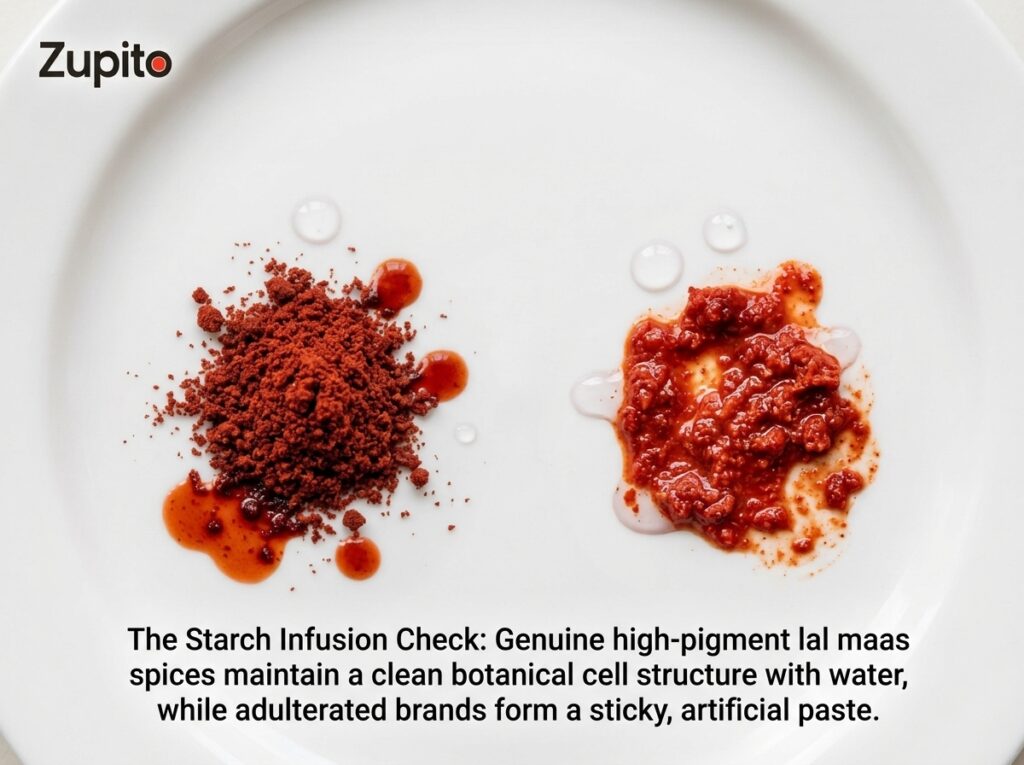
To get that genuine royal depth, you require cold-ground, single-origin Rajasthani food spices that retain their native essential oils and raw plant pigments without any added industrial starches or fake chemical colorants.
To protect public food security and general well-being, safety regulators like the Food Safety and Standards Authority of India (FSSAI) continuously track, test, and monitor compliance standards regarding chemical additions, pesticide residues, and heavy metal contaminants across commercial manufacturing supply lines.
If you want to learn how to identify dangerous industrial shortcuts and master the core techniques of food validation inside your home, explore our master guide 7 Toxic Secrets: How to Spot Real Haldi vs Polished Powder.
Why High-Heat Factory Grinding Destroys Your Food
The single biggest reason why your home-cooked Indian meals fail to achieve that deep, authentic restaurant-style or dhaba-style richness is hidden inside the industrial manufacturing frameworks of mainstream commercial grocery brands selling compromised variants of Rajasthani food spices.
Traditional mass corporate brands process their raw materials through high-velocity industrial hammer mills that operate at extreme speeds.
This aggressive mechanical friction generates immense heat spikes ranging anywhere from 85°C to 100°C right inside the grinding core, burning down the fundamental compounds of raw Rajasthani food spices.
This intense thermal shock completely vaporizes the delicate volatile essential oils, destroys the natural aromatic compounds, and permanently alters the delicate molecular structure of the active nutrients inside your Rajasthani food spices.
The resulting powder you buy from standard supermarket shelves is nothing more than an aromatic void—dead organic dust that looks colorful due to synthetic brighteners but contains absolutely zero bio-available medicinal or culinary value compared to cold-processed Rajasthani food spices.
The official quality directives published by the Spices Board of India repeatedly highlight that strict low-temperature preservation is absolutely necessary to prevent essential oil loss during production.
Unfortunately, this critical metric is completely ignored by mass commercial brands looking to cut operation costs on complex regional items like Rajasthani food spices.
If you want to experience the true health benefits and majestic flavors of genuine Rajasthani food spices, you must transition to a certified, single-origin provider that treats agricultural ingredients with technical respect.
Comparing the Standards: Mass-Market Dust vs. Zupito Pure Spices
To completely protect your household from industrial food shortcuts and chemical alterations, you must look past attractive label designs and focus entirely on raw processing metrics of daily Rajasthani food spices.
Evaluating these distinct physical and structural characteristics is the safest strategy when identifying high-quality Rajasthani food spices for your daily family meals:
| Quality Indicator | Mass-Market Corporate Brands | Zupito Cold Ground Standard |
|---|---|---|
| Grinding Core Temp | High frictional spikes up to 100°C that burn volatile compounds. | Strictly managed cold processing maintained safely below 30°C for perfect Rajasthani food spices. |
| Essential Oil Status | Vaporized during milling, leaving a dry, odorless organic dust. | Fully preserved native oils yielding an oily, rich texture and deep aroma inside Rajasthani food spices. |
| Purity & Fillers | Contains industrial starch fillers, rice husks, and anti-caking agents. | 100% pure botanical matter with zero added chemicals, dyes, or fillers. |
| Flavor Performance | Provides surface burn and artificial color without any real lingering depth. | Delivers full bio-available flavor compounds and authentic profiles of real Rajasthani food spices. |
Stop Consuming Empty Factory Dust: Upgrade to Zupito
You should never have to compromise on your family’s long-term metabolic health or worry whether your daily lunch curries are secretly loading your vital organs with cheap industrial fillers, chemical anti-caking residues, and toxic synthetic dyes often mixed into low-grade Rajasthani food spices.
Bringing home a single-origin, certified unpolished harvest entirely removes the ongoing struggle of trying to find genuine health benefits on unverified commercial grocery shelves selling low-quality Rajasthani food spices.
Every single batch of our specialty ground ingredients is processed using advanced, temperature-controlled Cold Grinding infrastructure that keeps temperatures strictly below 30°C, fully shielding the native plant matrices and locking in maximum therapeutic value of Rajasthani food spices.
This firm commitment to zero thermal degradation is why health-conscious consumers trust our curated selection whenever they want to integrate authentic Rajasthani food spices into their modern lifestyle.
Stop wasting your valuable time and money on mass-market corporate brands and secure a verified, small-batch spice setup built entirely around absolute corporate transparency, ethical sourcing, and pristine farming standards for Rajasthani food spices.
Give your household the timeless gift of rich, authentic culinary depth and experience the true power of clean culinary science by upgrading your kitchen pantry with authentic Rajasthani food spices today.
Make the smart switch to buy pure, cold-ground Rajasthani food spices online and unlock the complete range of natural health benefits right now by choosing premium Zupito Turmeric Powder and foundational cooking blends.
By choosing a dedicated provider that honors ancient botanical tradition alongside modern quality control, you guarantee that your family consumes nothing but pure, unadulterated healing molecules with every single bite of real Rajasthani food spices.
Frequently Asked Questions (FAQs)
1. What makes Rajasthani food spices so uniquely bold compared to other regional cuisines in India?
The unique boldness of Rajasthani food spices comes from the historical environmental need to cook without fresh water, tomatoes, or green vegetables. To balance heavy dairy fats like pure cow ghee, curd, and buttermilk, local cooks rely on oil-soluble spices bloomed directly in hot fat, which concentrates the natural volatile oils and creates a deep, lingering flavor profile rather than just surface heat.
2. Can I replicate authentic royal Lal Maas spices using standard store-bought chili powder?
No, standard store-bought chili powders are processed in high-speed industrial mills that cross temperatures of 100°C, burning away the delicate volatile essential oils and natural sugars. To get the authentic crimson color, rich texture, and slow-burning heat of true Lal Maas spices, you must use single-origin, cold-ground Mathania chilis milled below 30°C.
3. How does desert cuisine India utilize spices to manage food preservation?
Before modern refrigeration, the hot desert climate required ingenious preservation methods. Rajasthani food spices like turmeric, dry mango powder (amchur), and mustard seeds possess natural antimicrobial and antifungal properties. When cooked thoroughly in a rich ghee or oil lipid base, these spices isolate moisture, preventing bacterial growth and allowing travel foods like Bedmi Puri or Ker Sangri to stay fresh for days.
4. Is the heat level in Rajasthani masale dangerous for people with sensitive stomachs?
Authentic Rajasthani masale rely heavily on the Mathania red chili, which is celebrated for its deep color and mild, sweet pungency rather than aggressive, toxic heat. When balanced correctly with cooling, cold-milled coriander powder and digestive dairy bases like buttermilk, these traditional spices stimulate gastric juices and aid smooth digestion rather than causing acidity or internal inflammation.
Explore Zupito Knowledge Hub
- Turmeric Purity Validation: Stop consuming dangerous industrial text lines and master the core techniques of food security inside our master guide 7 Toxic Secrets: How to Spot Real Haldi vs Polished Powder.
- Chilli Powder Quality Metrics: Learn how to analyze industrial starches and trace real single-origin pigments in premium red peppers inside our live 7 Best Chilli Powder Types: Why Mathania Wins Master Guide.
- Sleep & Metabolic Night Recovery: Master how temperature-controlled bio-botanicals fix deep cellular rest by exploring our recipe teardown Spices for Better Sleep: The Ultimate Bedtime Haldi Routine.
- Spiciness Balancing Mechanics: Discover the underlying physical science of neutralizing excess oil capsicum and fixing errors in culinary bases within our live Zupito Spice Combo and Neutralization Assessment Guide.
- Authentic Spice Bundle Upgrade: Break free from mass-market corporate shortcuts and completely overhaul your kitchen setup with our primary guide The 7 Toxic Secrets of Grocery Spices: Why Smart Kitchens Look to Buy Authentic Indian Spices Bundle.
- Chilli Sourcing Mistakes: Learn the exact parameters to detect added artificial colorants and how to safely Buy Chilli Powder Online without falling for cheap factory traps.
- Foundational Curry Emulsions: Master how cold-milled coriander, turmeric, and high-potency oil lipids interlock to stabilize rich gravy structures in our upcoming regional spice integration modules at Shop Zupito Pure Spices & Combos Now.
Leave a Reply