
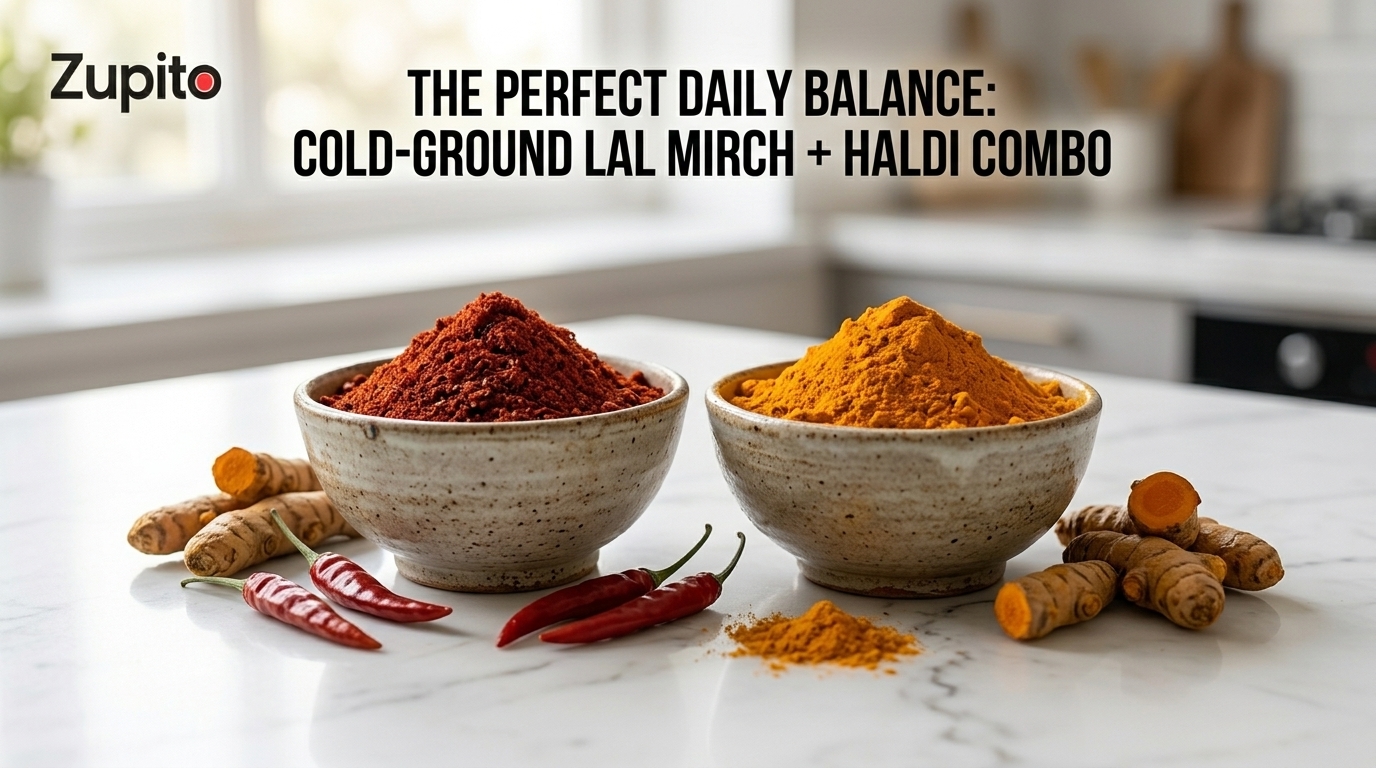
When you step into a kitchen to cook a comforting, authentic Indian meal, you are immediately faced with a critical culinary decision that completely dictates the success of your dish: choosing your ground spices. Among all foundational ingredients, the choice of red pepper creates the biggest confusion for home chefs. When scrolling through food blogs or shopping on grocery apps, the most common question that arises is deciding which chilli powder is best for everyday household cooking.
Should you purchase a high-heat variety that makes your throat burn, or a mild, artificially enhanced coloring agent that simply stains your gravies red? In the pursuit of making food look like it belongs in a five-star restaurant, many households fall into the dangerous trap of buying mass-market spices that use toxic chemical additives to fake their appearance. Knowing which chilli powder is best requires a clear understanding of spice purity. If you do not analyze which chilli powder is best from a scientific standpoint, you end up risking your family’s health with cheap market products.
Finding out which chilli powder is best requires looking far past ordinary supermarket packaging and understanding how industrial high-temperature milling destroys the cellular layout of raw crops. To naturally conclude which chilli powder is best, we must inspect the processing line. If you are wondering which chilli powder is best for long-term health, it is essential to look at single-origin variants. Let’s look at the science of color capsules, capsanthin metrics, and processing setups to see how choosing a pure, unpolished spice combo completely changes your daily meals and protects your long-term health budget.
Table of Contents
1. The Great Kitchen Dilemma: Heat vs. Crimson Color
To evaluate which chilli powder is best, you must first understand the two natural organic elements found inside a whole raw pepper pod: Capsaicin and Capsanthin.
- Capsaicin is the natural alkaloid crystalline compound locked inside the inner placenta walls of the pepper that provides the physical sensation of fiery pungency or heat.
- Capsanthin is the native oil-soluble carotenoid pigment concentrated inside the outer skin tissue that gives the spice its rich, deep crimson-red visual appearance.
Mass-market commercial brands struggle to balance these two components organically because premium, balanced raw harvests are expensive to source. To maximize their bulk profit margins, ordinary manufacturers separate their product lines into cheap categories. When consumers research which chilli powder is best, they often get lost in these artificial divisions. If you want to know which chilli powder is best for traditional dishes, a single-source balanced option is required. Many home cooks struggle to identify which chilli powder is best because commercial labeling hides the blending ratios.
When you ask yourself which chilli powder is best for your daily family curries, the answer is never an extreme choice. If you use an overly pungent spice, it overpowers the subtle aromatic notes of your coriander and cumin, irritating your tongue. Conversely, if you use a flavorless coloring powder, you are just adding tasteless fibers to your food. Deciding which chilli powder is best depends heavily on oil retention. The ideal choice for everyday family wellness is a single-origin spice that retains both its native warm pungency and authentic deep red color naturally. This balance is exactly what makes Jodhpur’s legendary Mathania spice the absolute gold standard for traditional kitchens.
2. Industrial Scams Destructive to Daily Family Health
When analyzing which chilli powder is best, you must look closely at what ordinary mass-market spice brands put inside their packets to maintain low retail tags. Because mass-market shoppers are highly sensitive to everyday grocery bills, cheap manufacturers use aggressive chemical tricks to make inferior, dead crops look attractive. Anyone looking to learn which chilli powder is best must stay alert to these dangerous practices. If you don’t track which chilli powder is best by inspecting chemical transparency, you will bring toxic agents into your food.
The Sudan Red Hydrocarbon Trap
When generic, multi-source raw peppers fade into a dull, dusty brown color due to poor warehouse storage and dampness, factories mix in illegal synthetic industrial dyes like Sudan Red I to IV. These oil-soluble hydrocarbon colors are engineered for commercial floor polishes and automotive paints, not human digestion. The Food Safety and Standards Authority of India (FSSAI) carries out regular market raids to catch these industrial colorants because they are toxic to cells and pose long-term health risks. When trying to decide which chilli powder is best, any option that displays an unnaturally bright, glowing neon-red shine should be rejected immediately.
Fibrous Fillers and Heavy Brick Dust
To artificially increase the physical bulk and weight of spice bags before shipment, processors dump finely crushed building brick powder, walnut shell dust, and fibrous sawdust into the milling streams. Brick dust matches the natural weight and texture of ground chillies perfectly, making it invisible to the naked eye. However, consuming these sharp, non-food materials every day causes micro-lacerations inside your delicate stomach lining. If you want to know which chilli powder is best for protecting your family from chronic ulcers and permanent digestive issues, the answer is always a certified 100% pure, unpolished spice.
3. High-Heat Grinding: Where True Nutritional Value Dies
Even if a commercial factory manages to buy reasonable whole raw pods, their low-cost production methods completely destroy the plant’s health benefits. Mass-market spice brands process their inventory using high-speed industrial hammer mills that run continuously without cooling breaks. The extreme mechanical friction inside these crushing chambers generates massive heat, pushing core temperatures way past 85°C to 95°C.
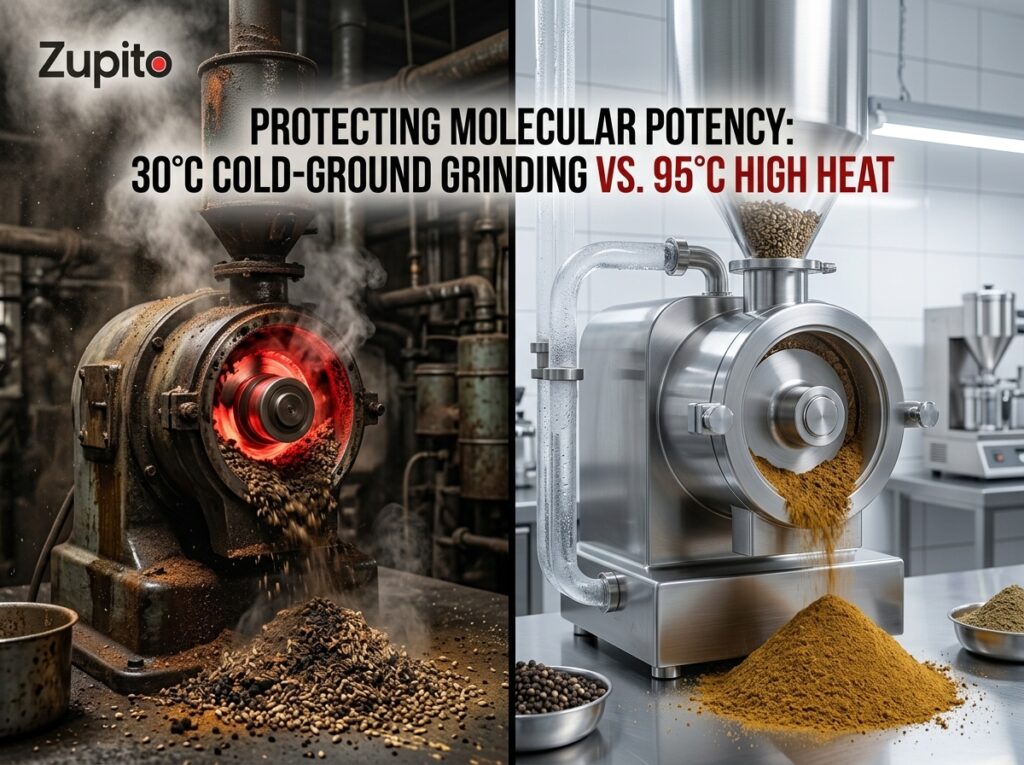
Subjecting delicate biological crops to this extreme heat causes immediate structural destruction:
- Capsaicin and Oil Loss: Natural capsaicin compounds and native volatile red oils evaporate instantly under high heat, leaving behind a bitter, charred dust.
- Loss of Anti-inflammatory Benefits: The natural vitamins and antioxidant properties that make pure red pepper a powerful metabolism booster are entirely cooked out.
Because these essential components are destroyed during high-speed production, understanding which chilli powder is best requires looking at the processing temperature. If you check which chilli powder is best based on technology, you will realize high-heat models are highly destructive. To hide the lack of color and aroma in heat-damaged powders, factories add external mineral oils and artificial dyes back into the dead dust. This is why cheap powders feel greasy to the touch and leave a stubborn red stain on your hands that refuses to wash off easily with regular soap.
4. The Cold-Ground Solution: Locking in True Potency
The only definitive way to preserve natural capsaicin and active nutrients is to switch to modern low-temperature processing networks. To determine which chilli powder is best for your health, you must check if the spice was processed using advanced, water-cooled cold-grinding chambers that strictly keep milling temperatures below 30°C. Knowing which chilli powder is best means knowing the difference between thermal processing and low-temperature cold-grinding.
The Spices Board India continuously promotes these low-temperature setups because they keep the intrinsic quality parameters and delicate essential oil profiles of spices completely uncompromised. By keeping the milling chambers perfectly cool, the cell matrix of the pepper remains intact, trapping 100% of the natural oils and capsaicin inside every single ground grain.
When evaluating which chilli powder is best, cold-milled varieties stand out instantly due to their distinct biological superiority. If you are confused about which chilli powder is best for ancestral wellness recipes, remember that low temperatures keep the natural properties completely safe. Home culinary experts always confirm which chilli powder is best by checking the active oil footprints.
+-------------------------------------------------------------+
|              SPICE MILLING TEMPERATURE MATRIX               |
+-------------------------------------------------------------+
| Parameter            | Zupito Cold-Ground | Industrial Mills|
+----------------------+--------------------+-----------------+
| Processing Temp      | Strictly Below 30°C| 85°C to 95°C    |
| Capsaicin Retention  | 100% Fully Intact  | Charred & Dead  |
| Natural Color Oils   | Preserved Rich Gold| Evaporated/Lost |
| Chemical Additives   | Absolute Zero      | Sudan Red / Oil |
| Culinary Efficiency  | One Micro Pinch    | Multiple Scoops |
+-------------------------------------------------------------+
When you understand this technological difference, deciding which chilli powder is best becomes incredibly simple. A certified cold-ground best red chilli powder in india releases its deep, rustic crimson hue and rich smoky aroma the exact micro-second it hits warm cooking fat. Because its natural yield is so high, a single tiny pinch delivers intense culinary performance, meaning a single premium bag easily outlasts three cheap mass-market alternatives.
5. The Dual Combo Advantage: Why Haldi & Mirch Belong Together
In traditional Indian cooking, ground red pepper never works alone. To create the perfect, mouth-watering flavor base for any daily gravy or dry subzi, it must work in perfect harmony with a high-quality turmeric powder. This foundational pairing is the secret behind the legendary taste of Indian culinary art.
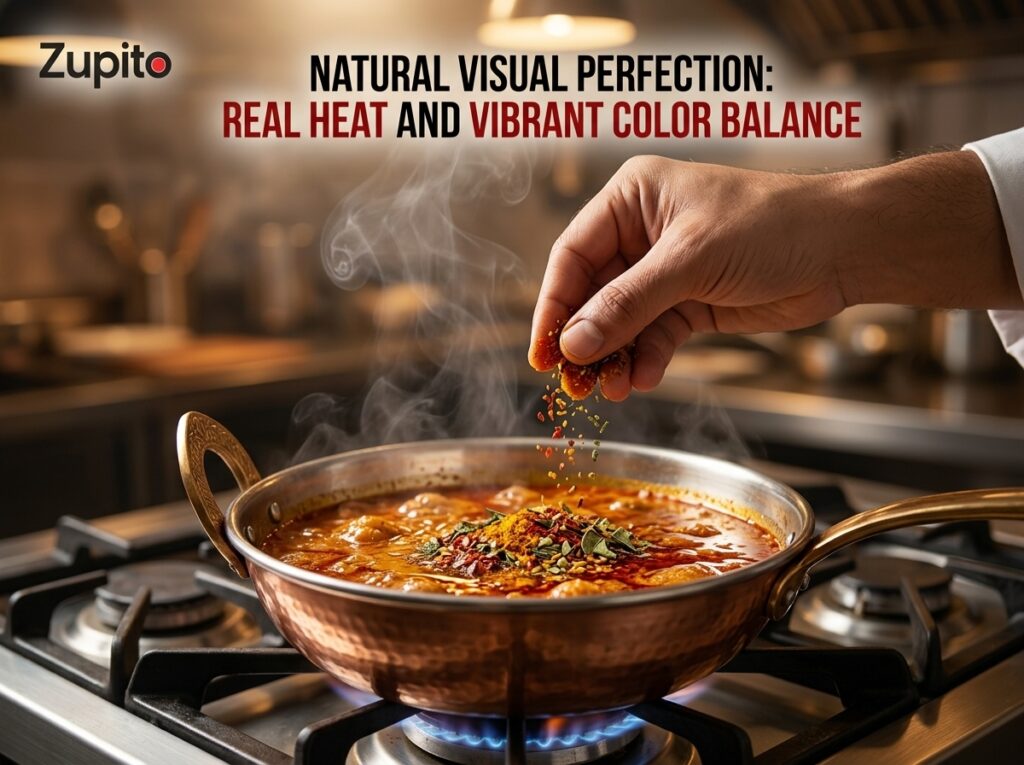
When you look at which chilli powder is best for daily cooking, you must also evaluate the quality of the turmeric you are pairing with it. If you pair a premium, pure red pepper with a cheap, mass-market turmeric that is loaded with lead chromate dyes and chalk fillers, you destroy the flavor and safety of your entire meal. Consumers who test which chilli powder is best always discover that raw pairing increases kitchen performance. To easily decide which chilli powder is best, one must look at the structural purity of the whole spice drawer.
Mass-market turmeric brands often use high-heat milling that burns away active curcumin, which is highly sensitive to temperatures above 40°C. This is why ordinary turmeric looks like dull yellow dust and lacks real therapeutic benefits. You can review the exact industrial damage details in our live Turmeric Powder Price vs Health Benefits research report.
By upgrading to a coordinated Lal Mirch + Haldi Dual Combo Pack, you ensure that both core spices are processed under identical low-temperature standards. When pure, unpolished pure lal mirch powder combines with high-curcumin turmeric, they create a beautiful, rich golden-orange color profile that cannot be matched by single, standalone items. Furthermore, clinical research updates published by the National Center for Biotechnology Information (NCBI) confirm that the health benefits of spices increase significantly when they are consumed together in their unadulterated forms.
6. Financial Reality Check: True Grocery Savings
Let’s look at the actual mathematical equations behind your daily kitchen expenses and long-term household health footprint. Many cost-conscious shoppers look at a premium spice option and assume it is an unnecessary lifestyle luxury. However, when you calculate usage lifecycles and hidden medical risks, the numbers reveal a completely different picture.
High-Yield Kitchen Efficiency Calculations
Because mass-market options are heavily diluted with spent fibers and starch fillers to lower production costs, their flavor and color efficiency is incredibly low. A typical family of four consumes a standard 200g cheap spice pack in less than three weeks because they have to use multiple large spoonfuls just to get basic flavor.
In contrast, a premium, cold-ground spice retains its complete natural oil density. If you calculate which chilli powder is best based on monthly usage lifecycles, premium options are far more affordable. Choosing which chilli powder is bestshouldn’t just be about cheap retail tags, but long-term kitchen efficiency. Anyone wondering which chilli powder is bestfor balancing the family budget can rely on high-yield cold-ground packs.
Eliminating Hidden Healthcare Systems Costs
Consuming chemical residues, lead-based dyes, and abrasive brick dust every day to save money on your upfront groceries causes silent, cumulative damage inside your digestive tract. Over time, these industrial additives irritate the delicate stomach lining, leading to chronic gut inflammation, acid reflux, and heavy toxin filtration strain on your liver.
Research on food toxins by the World Health Organization (WHO) highlights that chronic ingestion of adulterated foods poses severe, long-term health risks. Finding out which chilli powder is best is your first line of defense against food adulteration. When we determine which chilli powder is best for our homes, we actively protect our family from long-term healthcare complications.
7. How to Test Spice Purity in Your Own Kitchen
If you want to verify your current spices and find out which chilli powder is best based on real purity metrics, you do not need an advanced laboratory setup. You can catch common industrial starch and dye scams right at home using these simple diagnostics. Testing your spices is a critical step in verifying which chilli powder is best for your daily family meals. You can easily prove which chilli powder is best by observing physical sedimentation.
The Glass Water Settling Test
Take a clear glass of warm water and drop a single teaspoon of your current red pepper powder onto the surface. Do not stir it. Leave it completely undisturbed for 15 minutes. Pure, cold-ground pure lal mirch powder is heavy with natural essential oils; it will float briefly and then slowly settle at the bottom, leaving the water clear and translucent. If the water instantly turns cloudy, milky, or an intense opaque neon-red, it means the spice contains starch fillers and water-soluble industrial dyes.
The Paper Streak Contrast Check
Take a small pinch of the powder and rub it firmly across a clean sheet of white paper using your thumb. Blow away the excess dust. The best red chilli powder in india leaves a deep, matte, crimson-orange stain that sticks tightly to the paper fibers. If the mark leaves a shiny, crystal-like trail or a yellow residue, the manufacturer has mixed in heavy brick dust, chalk fillers, and chemical polishing agents. For an exhaustive breakdown on chemical dye tracking methods, inspect our in-depth Red Chilli Powder Price vs Chemical Dyes industry exposé.
8. The Zupito Purity Promise: 100% Raw, Cold-Ground Gold
At Zupito, we do not participate in market polishing tricks, weight dilution schemes, or high-heat shortcuts just to display a deceptive price tag. We source our raw whole chilli pods directly from select traditional farm belts in Mathania, Jodhpur, where generational agricultural purity is strictly protected. Our production lines use dedicated Cold-Ground Technology to ensure that our fine powder never faces thermal destruction or oil vaporization during processing.
When you invest in Zupito, you are paying a fair, transparent price for 100% pure, unadulterated culinary gold. Our small batches are strictly unpolished, completely free from synthetic coloring chemicals, and hold premium safety verifications that guarantee active nutrient retention. It is easily the definitive answer to which chilli powder is best for homes that refuse to compromise on authentic clean living, high culinary yield, and true ancestral healing.
Bring Real Healing to Your Home
- 🌶️ Zupito Premium Spice Combo Pack: Processed with advanced low-temperature water-cooled technology to lock in high active capsaicin and curcumin levels. Perfect for achieving authentic royal color, warm smoky aromas, and deep anti-inflammatory health benefits without any hidden synthetic chemical dyes or toxic brick fillers.
Frequently Asked Questions (FAQs)
Which chilli powder is best for daily family cooking?
The answer is always a balanced, unpolished single-origin spice like Mathania red pepper. Unlike mass-market options that are either overly burning or completely flavorless, a premium cold-ground spice delivers a perfect mix of moderate, clean warmth and rich crimson color naturally, making it the clear choice when deciding which chilli powder is best.
How do I identify the best red chilli powder in india for daily health?
Look closely at the processing description and color profile. The best red chilli powder in india will feature a natural, deep matte crimson-red tint rather than a glowing, unnaturally glossy neon-red artificial shine. It should explicitly state low-temperature or cold-ground manufacturing to guarantee chemical-free purity.
What are the side effects of consuming cheap, adulterated pure lal mirch powder?
Low-grade options often contain toxic industrial dyes like Sudan Red or Rhodamine B to fake color, along with crushed brick powder for weight. Regular consumption of these industrial contaminants triggers chronic gut lining inflammation, painful stomach ulcers, severe acid reflux, and places a dangerous toxic load on your liver’s filtration pathways.
Why is a cold-ground combo pack better than individual standalone spices?
A coordinated combo pack ensures that both your daily red pepper and your turmeric are processed under identical low-temperature standards. When pure, cold-ground pepper combines with high-curcumin turmeric, they create a beautiful golden-orange color profile while their active health compounds work together to support digestion and reduce internal inflammation.
How can I double check which chilli powder is best at home?
You can execute a simple clear water flotation test. Pure powder settles cleanly at the bottom of the glass without leaving synthetic ink bleed marks, helping you verify which chilli powder is best right inside your own kitchen.
Final Summary for the Smart Family
To maximize your kitchen health ecosystem and choose the right product:
- Reject Bright Neon Shines: Natural, high-quality spices feature a deep, matte rustic tint, never a chemically enhanced neon yellow or glossy red designed to hide crop damage.
- Check the Temperature Standards: Ensure your manufacturer uses verified cold-milling technology below 30°C to safeguard delicate plant cell compounds and volatile oils.
- Value Yield Over Cheap Tags: A raw, unadulterated choice lasts longer and keeps toxic additives completely out of your daily meals, proving that true value is measured in longevity.
👉 Explore Zupito Pure Spice Selection today and add the real anti-inflammatory power of unpolished, cold-ground spices to your family’s daily diet.
📖 Explore the Zupito Knowledge Hub
- 🌿 Dhaniya Powder Price vs Spent Seeds Report: Discover how industrial extraction units sell dead, exhausted fibers that completely ruin the baseline aroma of your food.
- 🌶️ Red Chilli Powder Price vs Chemical Dyes Exposure: Learn the household diagnostics required to identify toxic industrial colorants masking generic crops.
- 🟡 Pure Turmeric Powder Price vs Health Benefits Analysis: Read our definitive breakdown on why polished mass-market haldi fail to deliver essential active Curcumin cells.
Leave a Reply